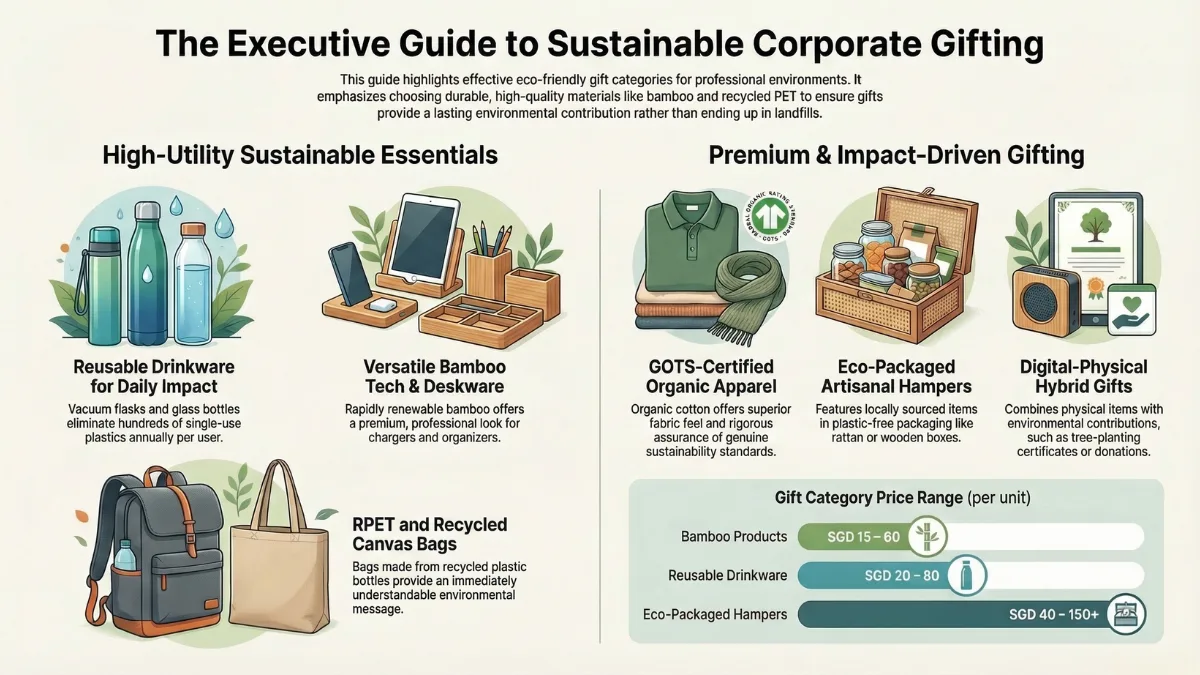
Why Sustainable Gifting is Now a Business Priority
Singapore's Green Plan 2030 and tightening ESG reporting requirements mean that corporate gifting decisions are increasingly scrutinised — not just for cost, but for environmental impact. For many Singapore businesses, a gift that ends up in landfill within weeks is not just wasteful — it's a reputational liability. A poorly chosen "eco" gift made of greenwashed materials is even worse.
The business case for sustainable gifting goes beyond compliance. Research consistently shows that recipients respond more positively to gifts that align with shared values. A bamboo notebook or RPET tote communicates that your brand thinks beyond profit — and that message resonates with employees, clients and partners in an era where corporate responsibility is a competitive differentiator.
What Makes a Gift Truly Sustainable?
Sustainability in corporate gifting is assessed across four dimensions:
- Material sourcing: Is the material renewable, recycled or biodegradable? Is it certified?
- Production: Is manufacturing energy-efficient and socially responsible? Are workers treated fairly?
- Product lifespan: Is the product durable and designed for long-term use, or single-use?
- End of life: Can it be recycled, composted or repurposed?
The most sustainable gift is one that's used repeatedly — daily visibility for your brand, zero waste profile for your ESG report.
Eco-Friendly Materials: A Complete Guide
Recycled Materials
RPET (Recycled PET): Made from post-consumer plastic bottles. Used in bags, drinkware and stationery. Reduces plastic waste and energy vs. virgin plastic. Look for GRS (Global Recycled Standard) certification.
Recycled Aluminium: Used in water bottles — infinitely recyclable without quality loss.
Recycled Paper: FSC-certified post-consumer waste paper for notebooks, gift boxes and packaging.
Renewable Plant-Based Materials
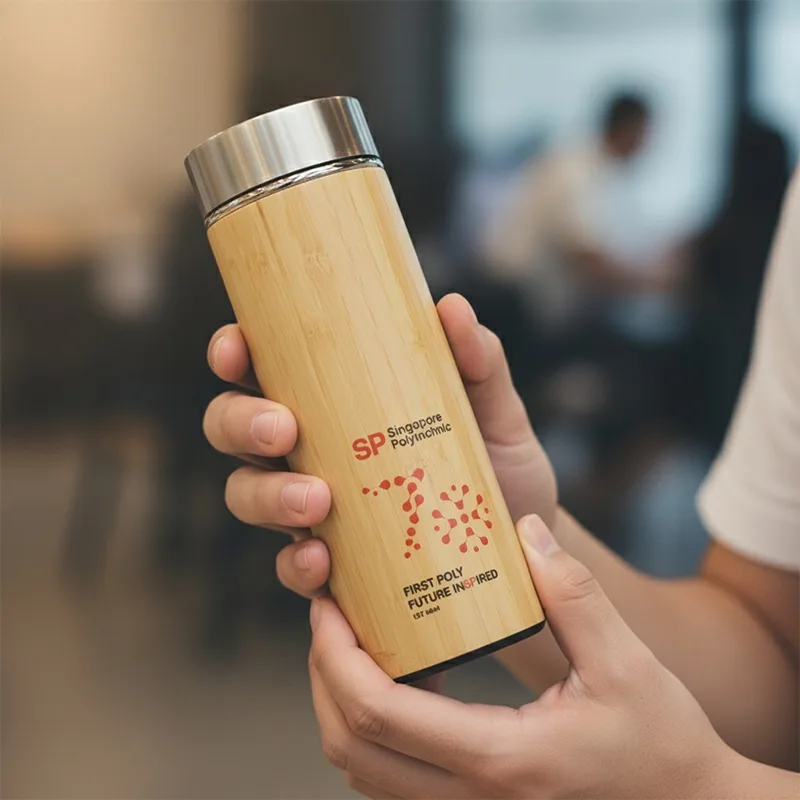
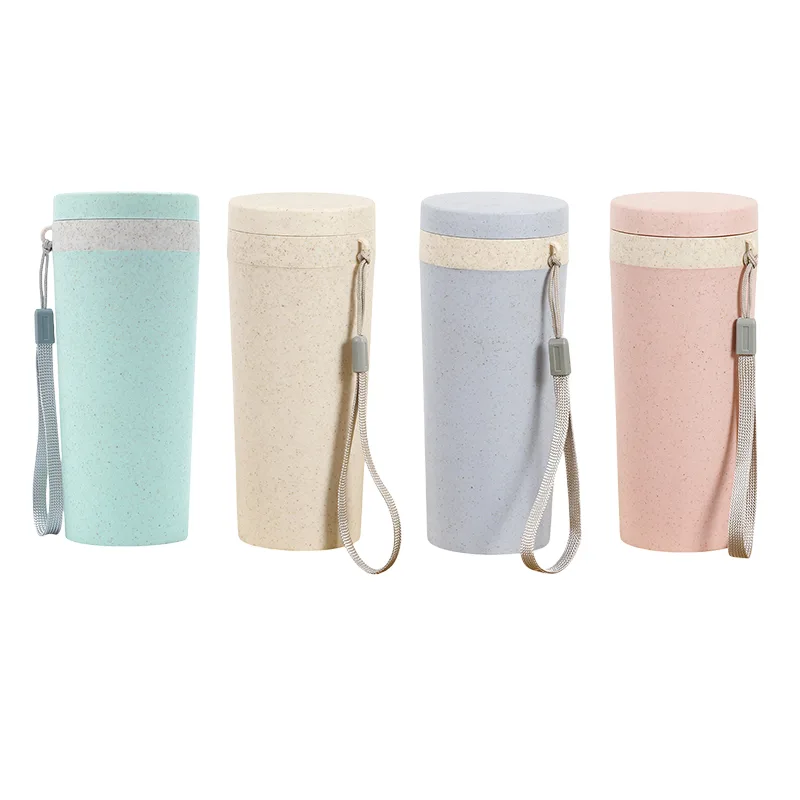
Bamboo: Fast-growing, renewable, biodegradable. Used for drinkware, pens, cutlery and notebooks. A natural anti-bacterial surface.
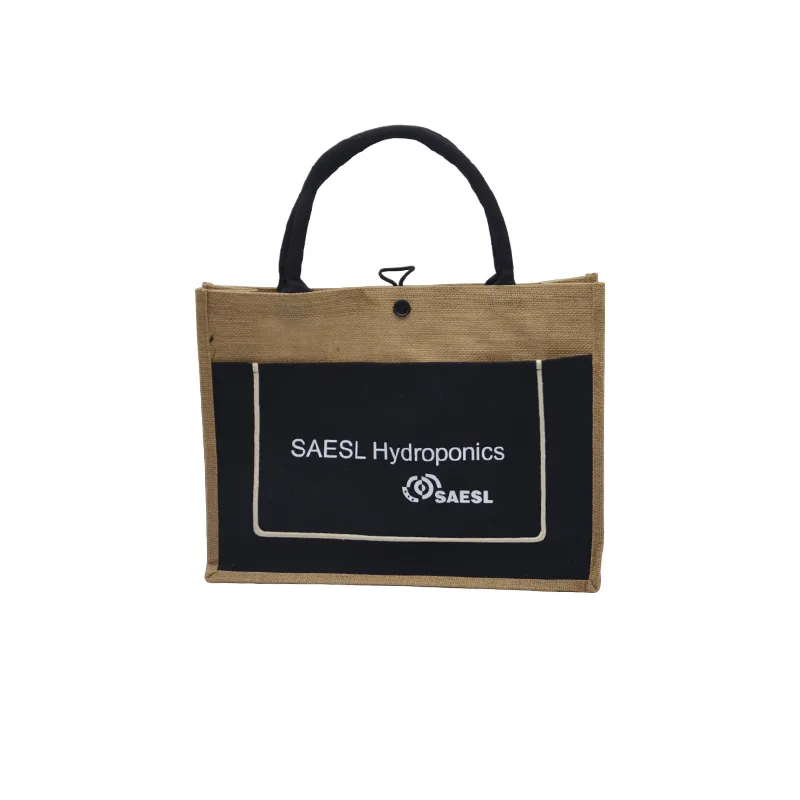
Jute: Natural biodegradable fibre used for bags and gift packaging. Strong, durable and compostable.
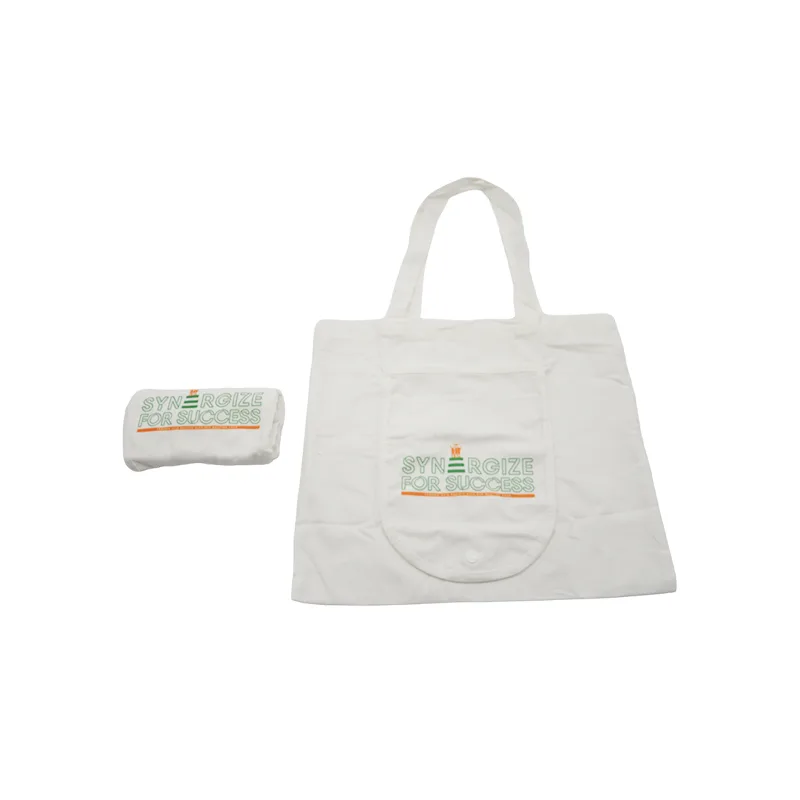
Organic Cotton: Grown without synthetic pesticides. GOTS (Global Organic Textile Standard) certified for assurance of organic status. Used for tote bags and apparel.
Cork: Harvested from cork oak bark without harming the tree. Used for notebooks, coasters and bags.
Wood: Sustainable when sourced from FSC-certified forests. Used for pens, coasters and awards.
Certifications to Look For
- FSC — Forest Stewardship Council: responsible forest management for wood and paper products
- GRS — Global Recycled Standard: verifies recycled content and responsible production
- GOTS — Global Organic Textile Standard: certifies organic status of textile products
- B-Corp: high standard of social and environmental performance across the business
Sustainable Gift Categories & Product Ideas
Sustainable Packaging: Completing the Picture
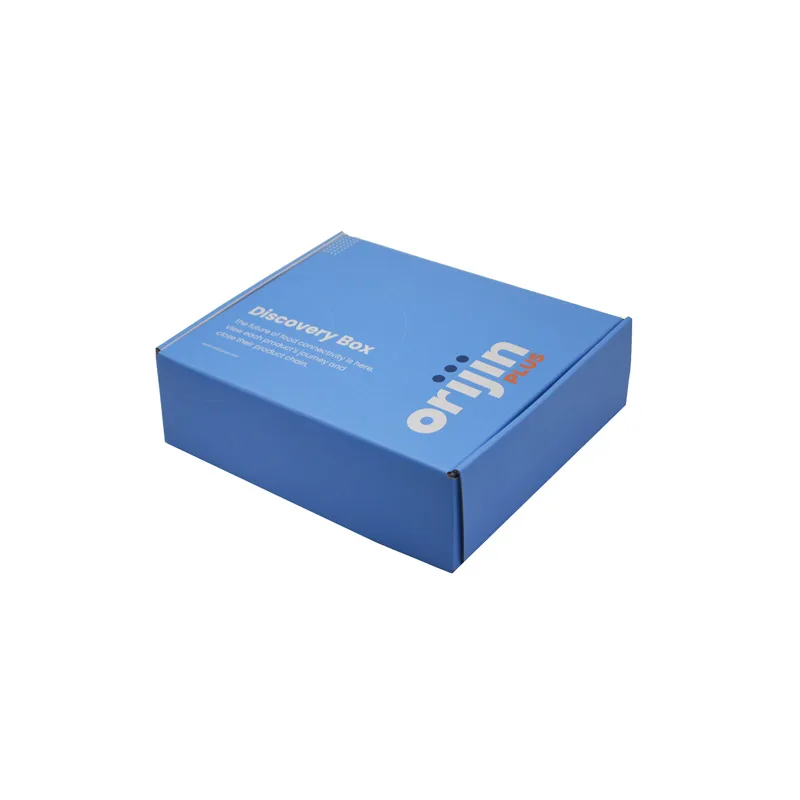
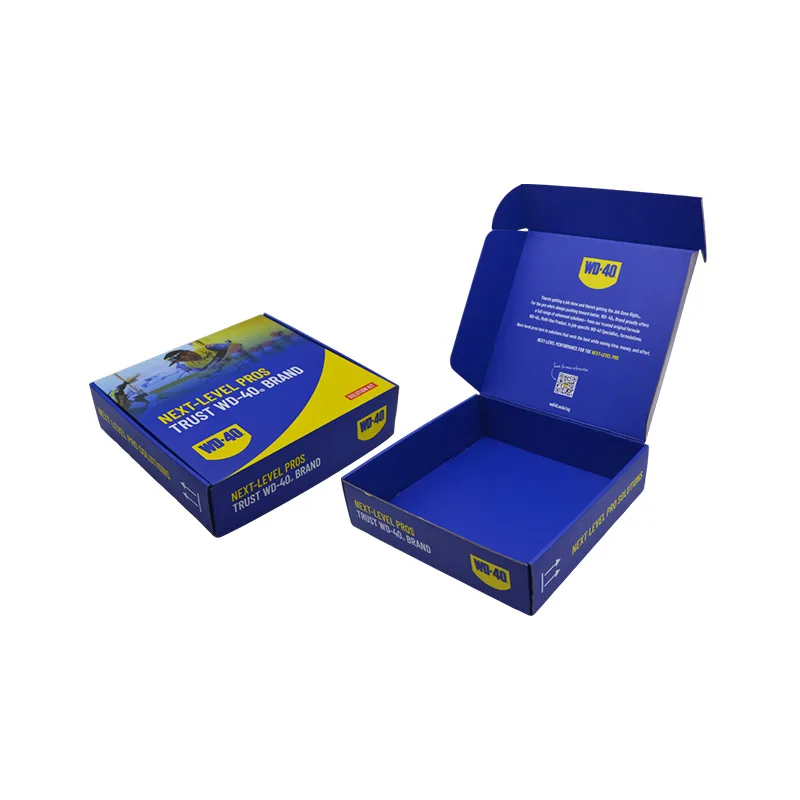
A sustainable product in unsustainable packaging undermines your message. Opt for: recycled kraft paper boxes, recycled cardboard, seed paper gift tags (plantable!), soy-based inks, and natural fabric pouches (jute, cotton). Avoid polybags, Styrofoam, and virgin plastic wrapping.
For premium campaigns, a fully sustainable unboxing experience — kraft box, tissue paper, seed paper card and natural ribbon — creates a memorable first impression that reinforces your brand's values from the moment the gift is opened.
Avoiding Greenwashing
Not all "eco" claims are equal. Common greenwashing to watch for:
- Vague claims without certification: "eco-friendly", "natural", "green" without evidence
- Single recyclable component presented as a fully sustainable product
- Bamboo plastic composites that are not biodegradable (bamboo + plastic resin ≠ eco)
- Low-quality "eco" products that break within weeks, negating any material benefit
When in doubt, ask for the material data sheet and certification numbers. A reputable supplier can provide them.
Frequently Asked Questions
What is the most popular eco-friendly corporate gift in Singapore?
Bamboo tumblers and organic cotton tote bags — practical, well-loved and clearly eco-friendly to recipients.
Can you provide GRS or FSC certificates for materials?
Yes — we can source GRS-certified RPET products and FSC-certified paper/wood products. Request certification details when enquiring.
Are sustainable gifts more expensive?
Eco materials typically carry a 10–30% premium over conventional equivalents. However, the quality and durability often mean recipients keep and use the gifts longer — improving long-term ROI.
Can you help us build a fully sustainable gifting programme?
Yes — we can advise on products, materials, branding and packaging to create a cohesive, verifiably sustainable gifting campaign aligned with your ESG reporting.
Ready to order?
Get a quote in under 24 hours. Bulk orders, fast turnaround, quality guaranteed.